


About Associates for Biblical Research
For many Christians, biblical archaeology becomes exciting when a name, city, inscription, or ancient object suddenly gives physical context to something they've read in Scripture for years. The Associates for Biblical Research exists at that intersection between the Bible and the archaeological record. Associates for Biblical Research conducts original archaeological fieldwork and biblical research to demonstrate that the Bible can be trusted as a historically reliable record. Rather than simply collecting interesting discoveries made by others, ABR puts archaeologists in the field, publishes research, and helps ordinary Christians understand why discoveries from the ancient world matter for their faith.
Digging Into the Questions
ABR's story began with a difficult archaeological question.
In 1969, Dr. David Livingston established the ministry after becoming concerned about claims that portions of the Old Testament were historically unreliable.
One issue especially captured his attention.
The biblical book of Joshua describes Israel's conquest of Ai, yet the archaeological evidence at et-Tell—the site commonly identified as ancient Ai—didn't seem to match the biblical account.
Livingston began questioning whether archaeologists had the correct location.
Instead of concluding that Joshua was wrong, he investigated whether the identification itself needed to be reconsidered.
That eventually led to excavations at Khirbet Nisya beginning in 1979 and established a pattern that continues to characterize ABR today.
Take the Bible seriously.
Take archaeology seriously.
Then investigate the evidence.
Archaeology From a Biblical Perspective
Archaeology doesn't interpret itself.
An ancient wall can be measured.
Pottery can be dated.
An inscription can be translated.
But researchers still have to determine what those discoveries mean and how they fit into the larger history of the ancient world.
ABR approaches those questions from an openly conservative Christian perspective.
The ministry affirms the inerrancy of Scripture and believes archaeological evidence should be examined without beginning from the assumption that biblical history is unreliable.
That doesn't mean every discovery automatically “proves the Bible.”
Instead, ABR studies how archaeological evidence can illuminate the people and events described in Scripture while responding to arguments that challenge its historical credibility.
Going Into the Field
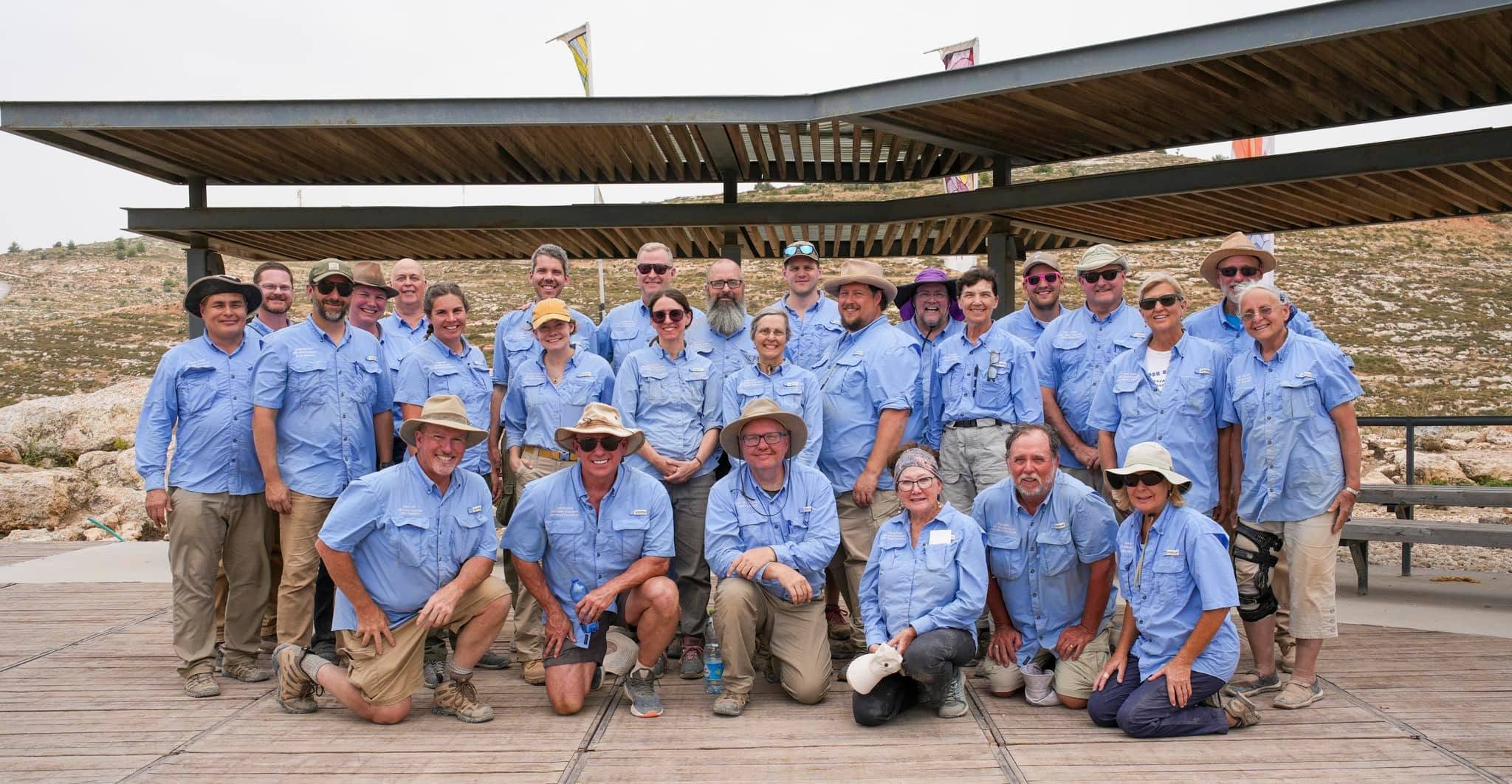
What makes ABR particularly distinctive is that its work doesn't stop behind a desk.
Its archaeologists actually excavate.
The ministry previously conducted extensive work at Khirbet el-Maqatir while investigating questions surrounding the location of biblical Ai.
Today, one of its major archaeological projects is at ancient Shiloh.
Shiloh holds tremendous biblical significance.
Before Jerusalem became the center of Israelite worship, Scripture describes the tabernacle and Ark of the Covenant being located there.
ABR's excavation team studies the remains of the ancient settlement to better understand its history and the people who lived there.
The work is methodical.
Soil is removed carefully.
Artifacts are documented.
Pottery is examined.
Structures gradually emerge.
Then researchers begin asking how the evidence fits into the historical world described by Scripture.
Bringing Archaeology Back to the Church
Most Christians will never participate in an archaeological excavation.
ABR doesn't believe that should prevent them from benefiting from one.
A major part of the ministry involves translating scholarly research into resources ordinary believers can understand.
Its quarterly Bible and Spade magazine takes archaeological research and presents it from a conservative biblical perspective.
The ministry's Digging for Truth program brings archaeologists, biblical scholars, and researchers into conversations about discoveries connected with Scripture.
Articles and other educational resources go even deeper.
Readers can explore questions surrounding Jericho or Ai and then move into subjects involving ancient inscriptions, New Testament manuscripts, biblical chronology, or the historical world surrounding Jesus.
Archaeology becomes more than pictures of ruins.
It becomes another way of stepping into the world of the Bible.
When Faith Encounters Skepticism
That educational work also serves an apologetic purpose.
Christians regularly encounter claims that biblical events never happened or that important people and places in Scripture are historically unreliable.
Those questions can be especially challenging when they're presented as though archaeology has already settled the issue against the Bible.
ABR wants believers to know that the conversation is often much more complicated.
Its researchers engage archaeological evidence directly and provide Christians with resources for thinking carefully about historical objections.
The purpose isn't archaeology merely for archaeology's sake.
It's strengthening confidence in Scripture while encouraging believers to pursue truth seriously.
Putting a Spade Into the Ground
There's something unusual about an apologetics ministry that can respond to a historical question by opening an excavation square.
That's where the identity of ABR becomes clearest.
A question about Scripture can lead to historical research.
Research can lead to a geographical question.
That question can eventually lead archaeologists into the hills of Israel with trowels in their hands.
And something buried for thousands of years can become part of a much larger conversation about the Bible.
At the heart of the Associates for Biblical Research is the conviction that biblical faith doesn't need to be separated from serious investigation of the ancient world. By putting archaeologists in the field, examining the historical questions surrounding Scripture, and bringing that research back to the Church, ABR seeks to help Christians see that the people, places, and events they encounter in the Bible belong to real history—and that the evidence beneath the ground is worth digging for.


