


About Canadian Foodgrains Bank
A field in rural Canada can look very far removed from hunger in Ethiopia, Sudan, Zimbabwe, or Bangladesh.
Seeds go into Canadian soil.
Rain falls.
The crop grows.
A combine eventually moves across the field.
Then something unusual happens.
The harvest becomes part of a Christian response to hunger on the other side of the world.
That connection between the abundance of one community and the need of another sits near the heart of Canadian Foodgrains Bank.
Its vision can be stated in four words:
A world without hunger.
It Started With Farmers Sharing Their Grain
During the global hunger crises of the 1970s, Canadian Mennonites began looking for a practical response.
Farmers already had something they could give.
Grain.
In 1976, Mennonite Central Committee established a pilot food bank and appealed to farmers in Manitoba, Saskatchewan, and Alberta.
The following year, 660 tonnes of grain were shipped to India.
The idea grew.
Farmers donated portions of their harvests. Communities organized grain drives. Churches became involved.
Eventually, Christians from other denominations wanted to participate too.
In 1983, the initiative expanded into Canadian Foodgrains Bank.
Something that began among Mennonite farmers became a much larger expression of Canadian Christian cooperation.
Put Denominations Around the Same Table
Christian organizations don't always agree on everything.
Canadian Foodgrains Bank gives them something important to agree on.
People shouldn't go hungry.
Today, 15 churches and church-based agencies participate in the Foodgrains Bank.
Together, they represent nearly 30 Christian denominations and more than 12,000 congregations across Canada.
Baptists work alongside Mennonites.
Catholics alongside Pentecostals.
Anglicans alongside Adventists.
Lutherans, Presbyterians, the Salvation Army, Christian Reformed churches, the Christian and Missionary Alliance, the United Church, Nazarenes, and other Christian traditions participate within the same network.
They retain their own identities.
But hunger gives them common ground.
Food Is More Than a Commodity
Why should feeding someone matter theologically?
For the Foodgrains Bank, the answer begins with the image of God.
Human beings possess dignity that isn't determined by wealth, nationality, gender, productivity, or social position.
Food is fundamental to that dignity.
It gives a child strength to develop.
It allows an adult to work.
It makes health possible.
It allows families to gather around a meal.
It sustains life itself.
That's why compassion is only one of the ministry's values.
It also talks about equality.
Justice.
Human dignity.
Peace.
Generosity.
Right relationships.
And the right to food.
Hunger isn't merely an empty stomach.
It can be connected to conflict, poverty, inequality, displacement, climate shocks, agricultural conditions, and systems that make food inaccessible even when food exists.
Responding well means understanding what is causing the hunger.
When Hunger Is an Emergency, Act Quickly
Sometimes there isn't time to wait for the next harvest.
War displaces a family.
Drought destroys crops.
Flooding wipes out food supplies.
Prices rise beyond what vulnerable households can afford.
A humanitarian crisis can turn ordinary food insecurity into a matter of survival.
Canadian Foodgrains Bank supports emergency food assistance through its members and their locally based partners.
Depending on the situation, assistance may take different forms.
Food can be provided directly.
Where markets are functioning, families may receive cash or vouchers so they can purchase what they need locally.
That distinction matters.
The objective isn't to move Canadian food around the world simply because Canada has it.
The objective is to help hungry people get food effectively.
An Important Idea Changed the Grain Model
This is one of the most interesting parts of the Foodgrains Bank story.
The organization began by physically shipping Canadian grain overseas.
But sometimes importing donated food can unintentionally compete with farmers in the country you're trying to help.
So the model changed.
Canadian grain can be sold in Canada.
The proceeds can then help purchase food closer to the crisis.
That can reduce transportation costs and delays while supporting regional farmers and markets.
In 2008, Canada completely untied its food aid following years of advocacy in which the Foodgrains Bank played an important role.
Helping people effectively became more important than preserving the original method.
Then Ask Why the Family Was Hungry
Emergency assistance keeps someone alive today.
But what happens next year?
That's where the ministry's long-term work begins.
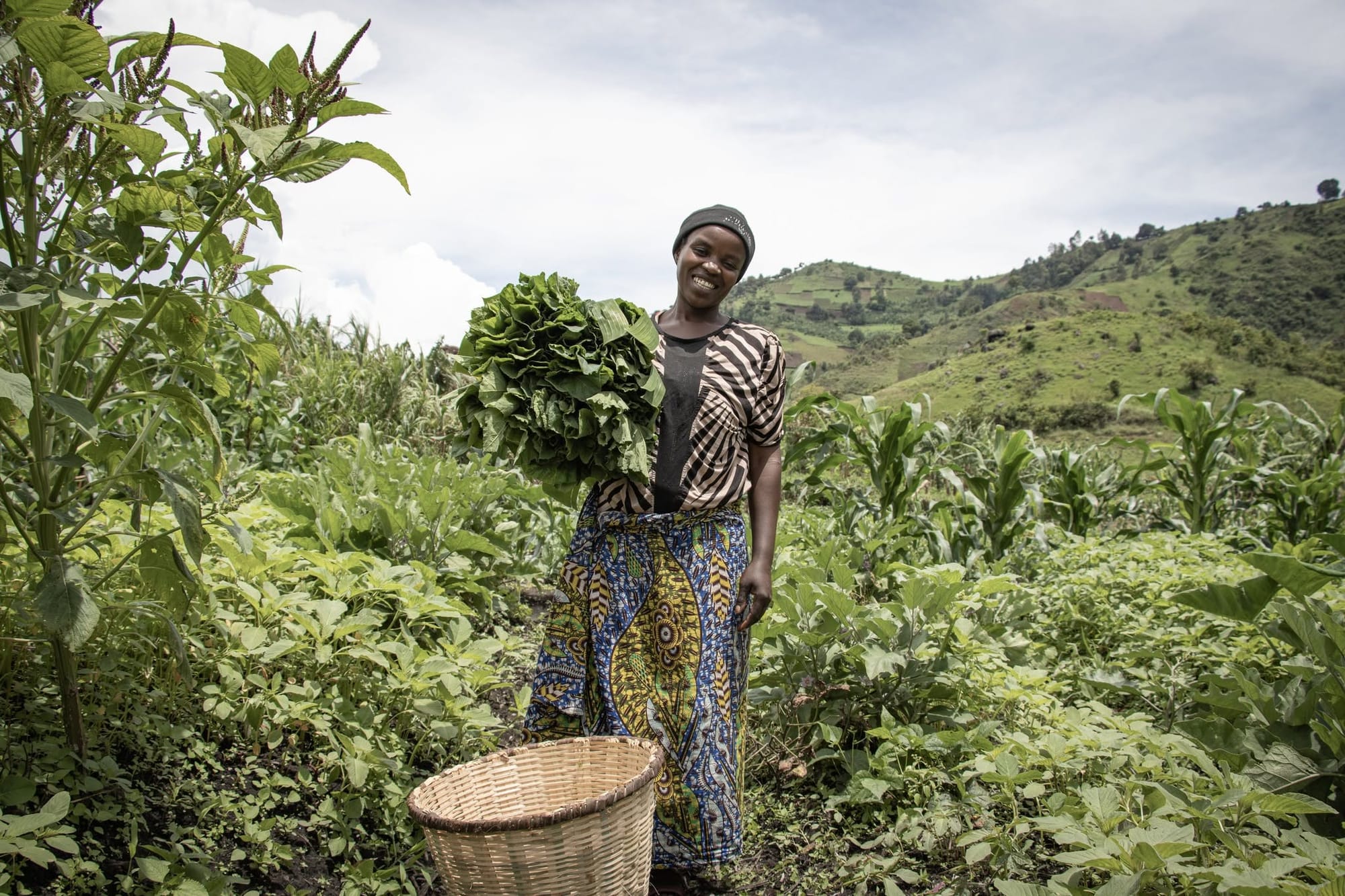
Many people experiencing hunger are farmers themselves.
Their livelihoods may depend on a small amount of land vulnerable to drought, flooding, degraded soil, changing rainfall, crop disease, or rising costs.
Foodgrains Bank programs help families strengthen their ability to feed themselves.
Farmers may learn conservation-agriculture techniques that improve soil health and moisture retention.
Communities can diversify crops.
Families can improve nutrition.
Livelihoods can become more resilient.
Programs also address hygiene, sanitation, maternal health, and the particular nutritional needs of pregnant women, nursing mothers, and young children.
The goal changes from giving someone food to helping create conditions in which families can reliably access enough food themselves.
Let Local Communities Shape the Solution
A Canadian organization cannot understand a village better than the people who live there.
Foodgrains Bank recognizes that.
Its members work through locally based partner organizations that understand the language, culture, agricultural conditions, markets, relationships, and challenges surrounding the community.
And community members themselves participate in shaping responses.
That's especially important in long-term development.
A farming technique that works in one country may fail somewhere else.
A crop successful in one climate may be useless in another.
Solutions have to fit the place.
Local knowledge isn't an optional addition.
It's part of what makes lasting change possible.
Hunger Has Causes Beyond the Farm
Better farming alone cannot solve every hunger crisis.
Conflict can prevent farmers from reaching their land.
Government policy can influence food prices.
International assistance rules can determine whether aid strengthens or disrupts local markets.
Women farmers may face barriers to owning land, obtaining credit, receiving agricultural training, or reaching markets.
Climate pressures can erase years of progress.
That is why Foodgrains Bank also engages Canadians and governments.
It researches.
Educates.
Advocates.
And encourages policies that strengthen food security.
Sometimes helping one hungry family means providing food.
Sometimes it means changing the conditions that keep thousands of families hungry.
A Growing Project Turns Canadian Soil Into a Mission Field
Back in Canada, the connection remains remarkably practical.
Communities organize growing projects.
Someone contributes land.
Another person provides seed.
A business might donate fertilizer or equipment.
Farmers contribute time.
Churches and community members help with expenses.
The crop grows.
At harvest, it is sold and the proceeds are donated through the Foodgrains Bank.
There may be no airplane ticket.
No overseas mission trip.
No international border crossed by the farmer.
Yet that field becomes part of global Christian service.
Agriculture becomes generosity.
The Harvest Keeps Moving
Since 1983, Canadian Foodgrains Bank and its members have provided more than $1 billion in food-related assistance.
They have worked with more than 100 international partners and served in more than 70 countries.
Those numbers are enormous.
But the ministry's story is easier to understand when reduced again to something small.
A seed.
A field.
A farmer.
A meal.
A family that makes it through a crisis.
Another family whose harvest improves enough that they no longer need assistance.
Fifteen Christian organizations choosing to accomplish something together that none could accomplish as effectively alone.
The grain may have been where the movement started.
The real harvest is people having enough to eat.
At the heart of Canadian Foodgrains Bank is the Christian conviction that hunger is incompatible with the dignity God has given every human being. What began with Canadian farmers sharing grain has grown into one of Canada's largest ecumenical Christian partnerships, bringing together churches across denominational lines to respond to emergencies, strengthen small-scale farmers, improve nutrition, advocate for better food policies, and help communities build lasting food security. Sometimes faithfulness looks like emergency food reaching a displaced family. Sometimes it looks like teaching a farmer how to protect soil through drought. And sometimes it looks like a Canadian farmer planting a few more acres, knowing that when harvest comes, that field will help someone they may never meet have food on the table.


