About Agricultural Missions
What if helping a rural community didn't begin by arriving with all the answers, but by listening to the people who already live there?
That's an idea that has shaped Agricultural Missions, Inc. (AMI) for nearly a century.
Founded in 1930, Agricultural Missions works alongside rural communities facing poverty, food insecurity, economic inequality, and other challenges affecting their ability to thrive. Rather than directing communities from the outside, AMI emphasizes what it calls accompaniment—walking alongside local people, learning from their experiences, and helping strengthen solutions led by the communities themselves.
Its mission is to accompany rural peoples in their struggle to overcome racial and economic injustice.
Where It All Began
Agricultural Missions was founded by Dr. John R. Mott in 1930.
Its earliest work brought together churches, agricultural educators, mission leaders, and laypeople who wanted to strengthen village life, improve food systems, and respond to the challenges facing rural communities.
AMI formally incorporated as a nonprofit in 1942 and eventually supported agricultural missionaries in more than 50 countries while also providing training opportunities for rural pastors and creating spaces where churches and grassroots leaders could work together.
Over the decades, the organization's approach evolved.
A significant moment came in 1979 with its Jayuya Consultation in Puerto Rico. From this period emerged a stronger emphasis on supporting grassroots organizations—including farmers, women, Indigenous communities, and youth—and helping faith communities learn directly from the experiences of rural people.
Walking Alongside Communities
AMI doesn't approach rural development as though outside organizations automatically know what's best for a community.
Instead, it starts with the people closest to the challenges.
Farmers understand their land. Families understand the pressures facing their communities. Local organizations understand the cultural and economic realities affecting everyday life.
AMI seeks to bring those voices together with faith communities, educators, researchers, grassroots organizations, and other partners so people can share knowledge and develop sustainable solutions.
It's less about doing something for a community and more about working with them.
Supporting Rural Communities
Today, much of Agricultural Missions' work centers on food security, sustainable agriculture, youth opportunities, education, and strengthening rural communities.
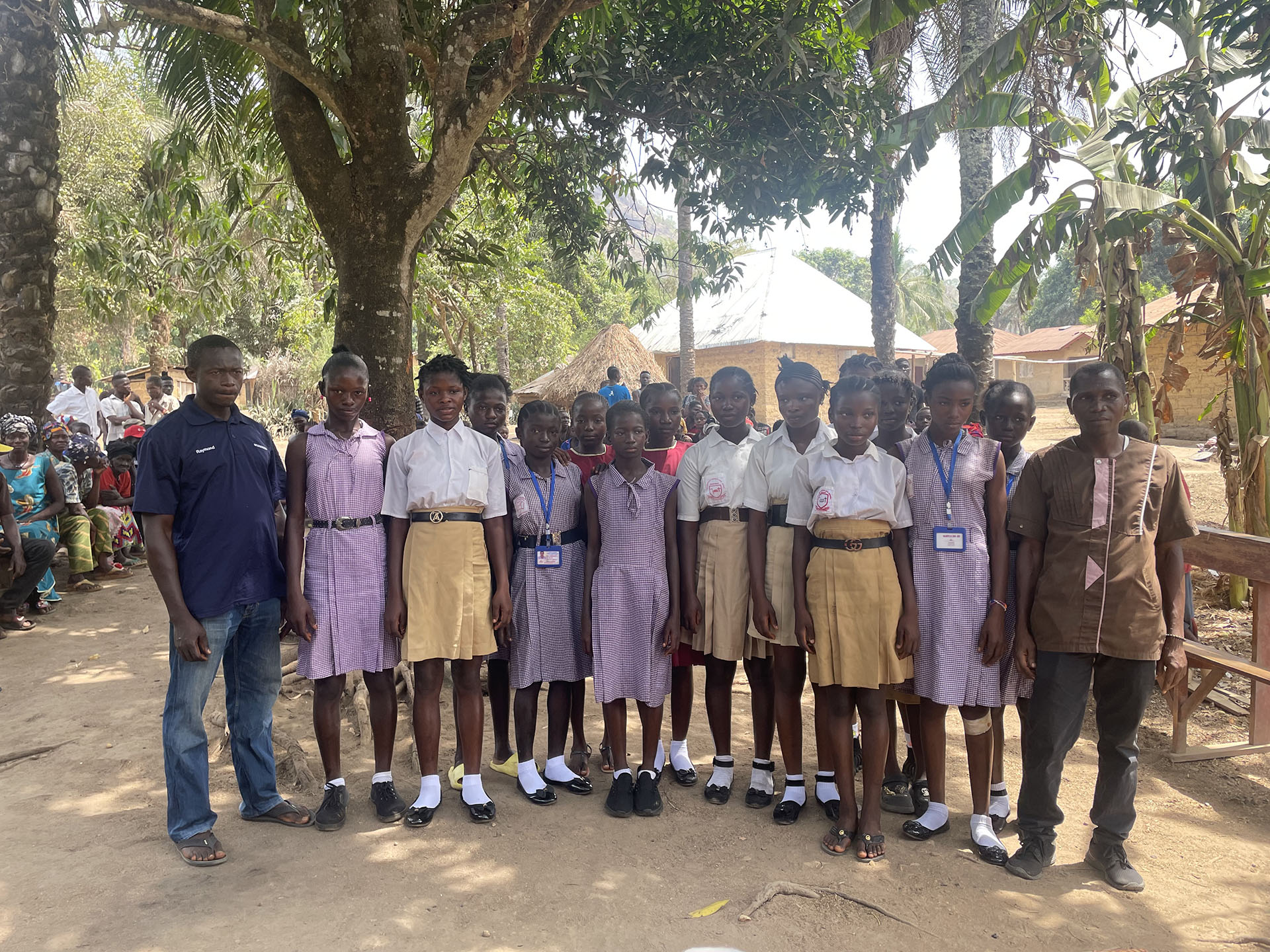
Its West Africa Initiative supports work in Sierra Leone and Liberia, including youth agriculture and programs addressing barriers facing girls.
AMI also organizes study sessions and site visits that bring rural leaders together across geographic and cultural boundaries.
A farmer in one country may have lessons that benefit farmers somewhere else. A cooperative in West Africa may approach food security differently from a rural community in the American South.
Creating opportunities for those communities to learn from one another has long been part of AMI's approach.
Food, Land & Sustainable Futures
Agriculture is about much more than growing food.
For rural families, access to land, sustainable farming practices, local food systems, economic opportunity, and natural resources can shape the future of an entire community.
AMI therefore supports grassroots voices working on food sovereignty and community-led development.
The goal is to help communities become increasingly resilient rather than dependent on solutions imposed from outside.
Nearly a Century of Accompaniment
Agricultural Missions has changed considerably since 1930, but walking alongside rural people remains central to its identity.
Its Christian and ecumenical history helped shape a conviction that faith communities have a responsibility to care about the dignity and well-being of people whose voices can easily be overlooked.
Today, that legacy continues through partnerships with farmers, women, young people, faith communities, educators, and grassroots organizations.
At the heart of Agricultural Missions is a simple principle: lasting change is strongest when rural people have the opportunity, relationships, and resources to shape the future of their own communities.