


About BetterHelp
Deciding that you might benefit from therapy is one thing. Actually finding a therapist can feel like another project entirely.
You search through directories, make phone calls, compare providers, try to understand insurance, and then discover that the person who seemed like a good fit isn't accepting new clients. Even after finding someone, fitting regular appointments and travel into an already busy week can make therapy difficult to maintain.
BetterHelp was built around making that process easier.
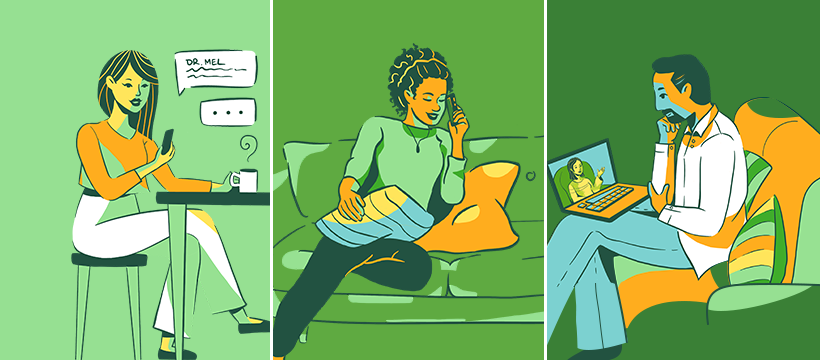
Instead of requiring therapy to begin in a traditional office, the online platform connects people with licensed mental health professionals they can meet remotely. The larger idea is simple: professional support should be easier to reach and easier to fit into real life.
Therapy Without the Waiting Room
BetterHelp starts with a questionnaire.
Rather than asking someone to scroll through hundreds of therapist profiles without knowing where to begin, the platform gathers information about what they're looking for and uses those preferences to help make a match.
From there, therapy happens online.
A person can speak with their therapist through video, phone, or live chat, depending on the services available to them. Messaging creates another way to communicate between sessions.
That flexibility changes where therapy can fit.
There isn't a commute across town or a waiting room before the appointment. Someone can speak with a therapist from home or another private place with an internet connection.
For a person whose biggest obstacle has been fitting therapy into everyday life, removing those smaller barriers can make a meaningful difference.
Finding the Right Therapist Matters
Convenience alone doesn't make therapy work.
The relationship with the therapist matters enormously.
BetterHelp tries to address that through its matching system and large provider network. People can indicate preferences that are important to them, and the platform uses that information alongside location and provider availability when making a match.
The first match doesn't have to become the permanent one.
If the relationship doesn't feel right, members can request another therapist without having to abandon the platform and begin their search from scratch.
That matters because therapy is personal.
Credentials are important, but feeling comfortable enough to speak openly with the person on the other side of the conversation matters too.
Support for More Than a Diagnosis
You don't need to reach a breaking point before speaking with a therapist.
People seek counseling for many reasons.
A difficult relationship may have become exhausting. Grief can make ordinary life feel unfamiliar. Work pressure might slowly turn into burnout, while a major transition leaves someone struggling to adjust.
Others are dealing with anxiety, depression, trauma, loneliness, or longstanding emotional patterns they finally want to understand.
Therapy creates a structured place to work through those experiences with a trained professional.
BetterHelp's role isn't to provide one universal solution.
It's to make that professional relationship easier to access.
What Happens Between Sessions Matters Too
A week contains far more hours outside therapy than inside it.
BetterHelp has gradually built its platform around that reality.
Members can use digital journaling and worksheets alongside their conversations with therapists. Educational groups and classes may provide another layer of support, while tools for goals and habits can help someone continue working on what they're learning between appointments.
The idea is to make therapy feel less isolated from everyday life.
Something discussed during a session on Tuesday can become something you notice about yourself on Thursday.
You write it down.
The conversation continues the following week.
Over time, therapy becomes a process rather than a single weekly appointment.
Making Therapy Feel Normal
Another important part of BetterHelp's mission is cultural.
For generations, therapy often carried a stigma.
Seeking professional mental health support could be interpreted as an admission that something was seriously wrong.
BetterHelp has intentionally worked against that perception.
Therapy can certainly help people navigating significant mental health challenges, but it can also become part of ordinary emotional well-being.
Someone can use therapy to understand themselves better, strengthen relationships, develop healthier coping strategies, or navigate a difficult season before it becomes overwhelming.
Making therapy available from a phone or computer reinforces that accessibility.
Mental healthcare becomes something a person can intentionally incorporate into life rather than something reserved only for crisis.
Access Has Its Boundaries
Online therapy isn't the right answer for every situation.
BetterHelp itself makes important distinctions here.
The platform isn't designed to replace emergency mental health services. Its therapists don't prescribe medication through the service, and there are circumstances where someone may need psychiatric, medical, or other forms of in-person care.
That boundary is important because accessibility shouldn't be confused with universality.
BetterHelp solves a particular problem well: connecting people who are appropriate for outpatient online therapy with licensed professionals in a more flexible environment.
For many people, that's exactly the barrier that needed to be removed.
Bringing the Therapist Closer
Technology has changed countless relationships that once required two people to occupy the same physical space.
Therapy is increasingly one of them.
The value of BetterHelp isn't simply that a counseling session can happen through a screen.
It's what becomes possible when geography and scheduling become less restrictive.
Someone who kept postponing therapy because finding a local provider felt overwhelming has another path.
A busy parent may be able to schedule a session without adding another commute to the week.
Someone who discovers their first therapist isn't a good match can try another without rebuilding the entire process.
None of those things replace the human relationship at the center of therapy.
They're designed to make reaching that relationship easier.
At the heart of BetterHelp is an effort to make professional mental health support more accessible, flexible, and approachable. By using technology to connect people with licensed therapists and giving them multiple ways to communicate and continue their work between sessions, the platform reduces many of the practical barriers that can keep people from seeking help—bringing therapy out of the traditional office and into the rhythms of everyday life.


